
When a central heating system fills up with sludge, you pay for it twice. Once on the gas bill, because the boiler works harder to push heat through gunked-up pipes, and again in radiators that never quite warm the room. A power flush clears it out. This guide covers what power flushing involves, what it costs in 2026, the signs your system needs one, and the times it honestly isn't the answer.
What is power flushing?
A power flush is a deep clean of your central heating. We connect a pumping unit to the system and push a cleaning solution through the boiler, the pipework and every radiator at high flow, which shifts the rust and black sludge that settles out of the water over years of use. The dirty water is flushed through until it runs clear, then the system is refilled with a corrosion inhibitor to slow the whole process starting again. There's more detail on our power flushing service page, but that's the heart of it: a machine, the right chemicals, and patience.
The signs your system is full of sludge
Sludge announces itself slowly, which is why most people live with it for years. The usual giveaways:
- Radiators hot at the top but cold along the bottom, the classic sign
- Black or murky water when you bleed a radiator
- Gurgling, banging or kettling noises from the boiler or pipes
- The house taking ages to warm up, even with the boiler flat out
- Radiators that need bleeding every few weeks
- A heating pump that keeps sticking or failing
One of these on its own doesn't prove anything. Two or three together usually mean the water in your system looks like cola, and the fix is getting it out.
What does a power flush cost in 2026?
Price follows the size of the system, because every extra radiator is more time on the machine. Around the UK, a full power flush typically lands in these ranges:
| System size | Typical cost | What that usually means |
|---|---|---|
| Small, up to 8 radiators | £300 – £450 | Flats and smaller homes |
| Medium, 9 to 12 radiators | £400 – £600 | Most three and four bed homes |
| Large, 13 or more radiators | £550 – £800 | Bigger and older properties |
If you're on our Platinum or Diamond care plan, a power flush is half price, which takes a decent chunk out of the bill.
What changes the price
- How many radiators. More radiators means more hours with the machine connected, so bigger systems cost more to flush.
- How bad the sludge is. A lightly dirty system rinses through quickly. One that's been quietly clogging up since the nineties takes longer, and a fully blocked radiator sometimes has to come off the wall.
- Access and age. Awkward pipework, old valves that won't close properly and radiators buried behind furniture all add time.
- Pairing it with other work. If the flush is part of a new boiler going in, it's done on the same visit and priced as one job.
How long does a power flush take?
Most homes take about a day. The machine needs time on each radiator, and rushing it is how you end up paying for a flush that didn't work. A small flat with six radiators is quicker, while a big house with fifteen, or a system that's badly blocked, can run longer. We'll tell you what to expect when we price it.
Do you need a power flush before a new boiler?
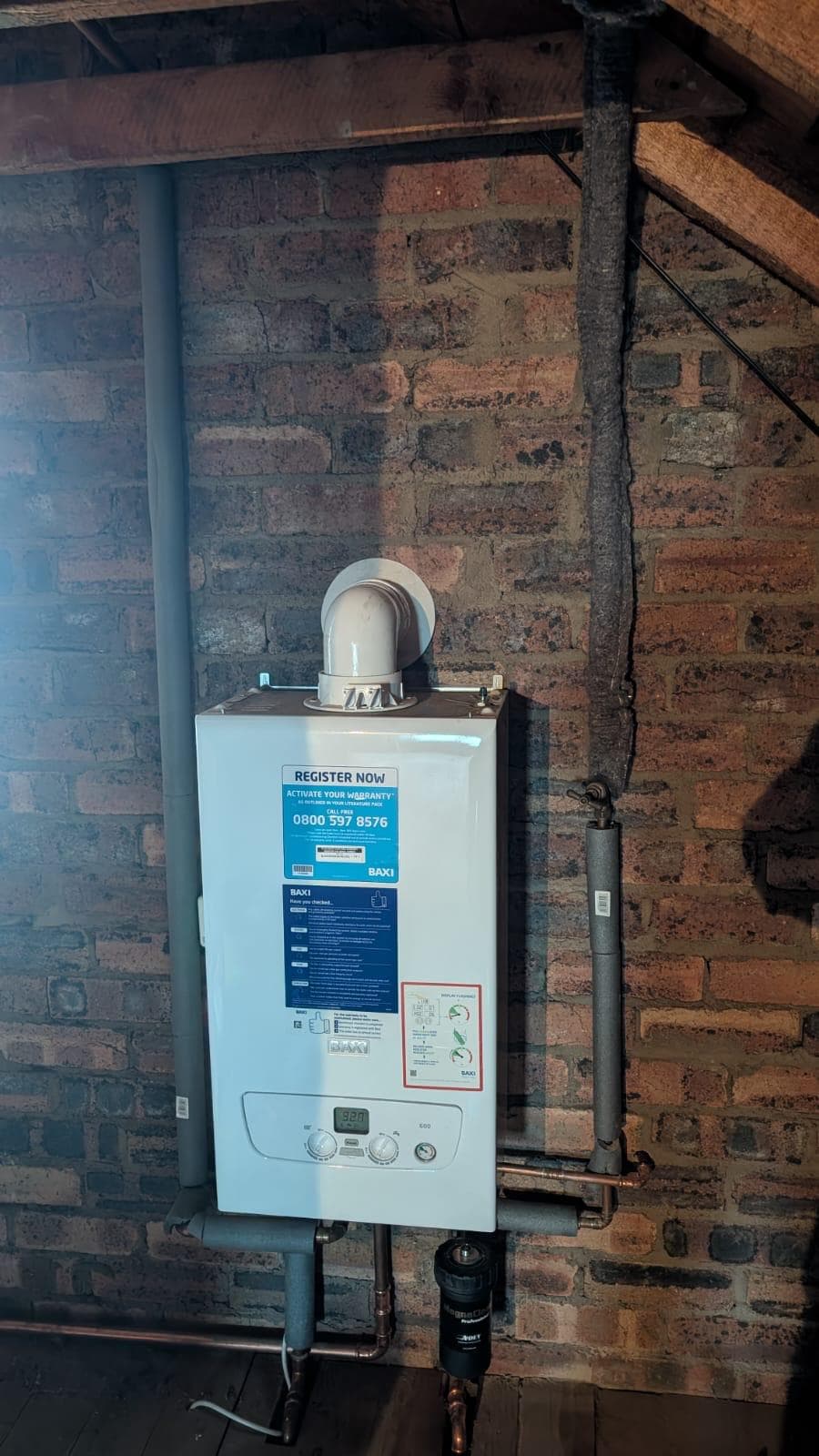
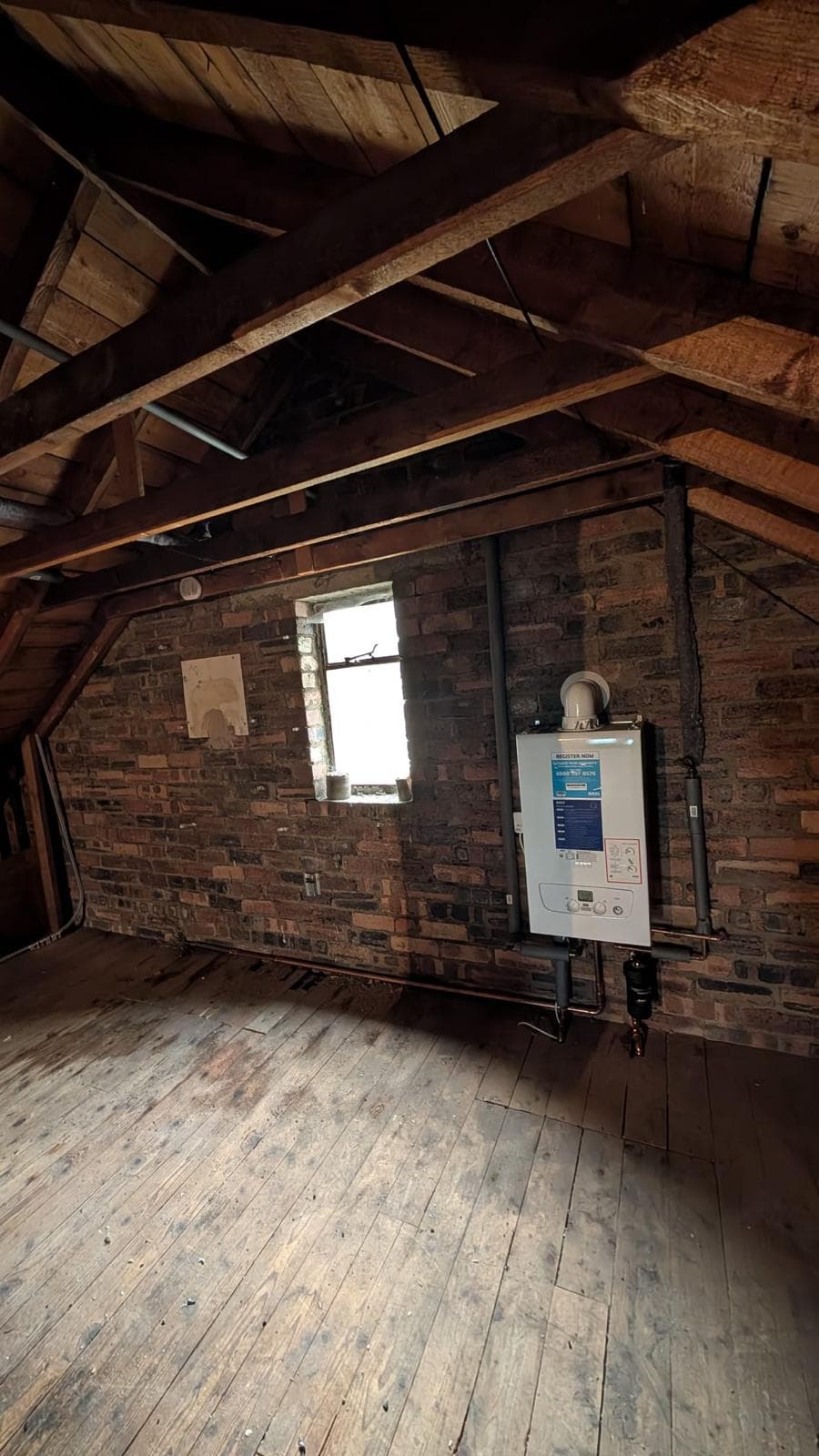
Often, yes. Bolting a new boiler onto a dirty system pumps years of old sludge straight through it from day one, and most manufacturers require the system to be cleaned first or the warranty can be refused. If your system is only lightly dirty, a simpler chemical clean is sometimes enough, and we'll tell you which yours needs rather than defaulting to the bigger job. Either way, sorting the water quality is part of doing a boiler installation properly.
When a power flush isn't the answer
Not every cold radiator is a sludge problem, and a flush isn't something we sell to everyone who rings up. A radiator that's cold at the top just has air in it, and bleeding it takes two minutes. Whole rooms staying cold while others roast is often a balancing job, not a cleaning one. And a radiator so corroded it's rotting from the inside won't be saved by any amount of flushing; it needs replacing. Part of pricing the job is checking a flush is actually the right fix, and we'll say so if it isn't.
Keeping the system clean afterwards
A power flush isn't meant to be a subscription. Done properly, with inhibitor added at the end, a system should stay clean for years. Two things stretch that further: a magnetic filter on the boiler, which catches debris before it settles anywhere important, and having the inhibitor level checked at the annual boiler service so the protection never quietly runs out.
Power flushing in Kirkcaldy and Fife
We power flush central heating systems across Kirkcaldy, Glenrothes, Dunfermline and the rest of Fife, plus Edinburgh and the Lothians. You get a fixed price once we know the size of the system, the radiators checked as we go, and inhibitor in the water before we leave. If your heating's been limping along for a couple of winters, getting the sludge out now, before the cold sets in, is the cheap way to a warm house this year.
Thinking about a new boiler?
Tell us about your home and we'll give you a clear, fixed price with the fitting, flush and warranty all included. Free quote, no hard sell.
Liam, First Plumb Solutions
Owner & Gas Safe engineer
Liam runs First Plumb Solutions, a Gas Safe registered plumbing and heating team based in Kirkcaldy. The team has spent 14 years fitting boilers, bathrooms and heating for homes and businesses across Fife and East Scotland.